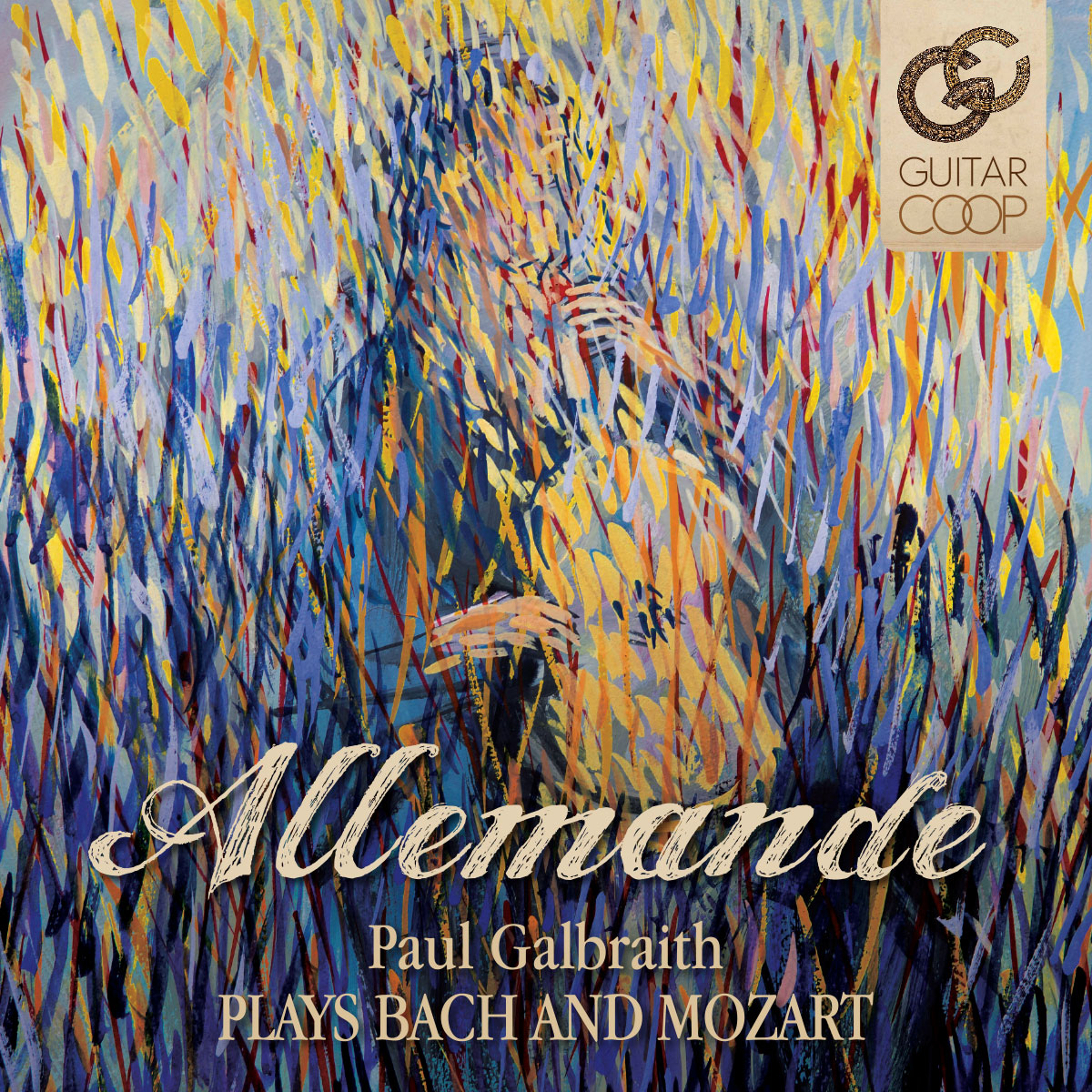
In Allemande, Paul Galbraith offers a compelling reflection on one of the great “what ifs” of the classical guitar world: Mozart. The famous remark by Julian Bream — “all we need now is a Mozart sonata!” — frames a long-standing fascination among guitarists with the imagined affinity between the luminous transparency of Wolfgang Amadeus Mozart and the refined tonal palette of the guitar.
Although Mozart never wrote for the instrument, Galbraith finds his point of entry through Mozart’s own engagement with Johann Sebastian Bach. The “Allemande” from Mozart’s C major Baroque Suite, composed during his pivotal “Bach year” of 1782, reveals striking affinities with the Allemande from Bach’s First Lute Suite. By placing the two works side by side, Galbraith highlights both resemblance and distinction: Mozart may echo Bach, yet remains unmistakably himself.
The album also features Mozart’s Piano Sonata K.570, his penultimate sonata, widely regarded as one of the most significant in the genre. Here, contrapuntal clarity, thematic economy, and emotional depth coexist in refined tension. The influence of Joseph Haydn is perceptible, particularly in the monothematic conception of the opening movement.
The recording concludes with two suites by Bach, including BWV 995 — the lute version associated with the Fifth Cello Suite — underscoring the remarkable adaptability of Bach’s writing to plucked string instruments. In doing so, Galbraith aligns himself with a historical tradition of transcription that traces back to Bach himself, illuminating the deep connections between lute, cello, and guitar.
Allemande is more than a transcription project: it is a meditation on lineage, affinity, and historical imagination. With his distinctive artistic vision and refined sonic approach, Paul Galbraith reaffirms the guitar as an instrument capable of engaging profoundly with both Viennese Classicism and the core of the Baroque tradition.

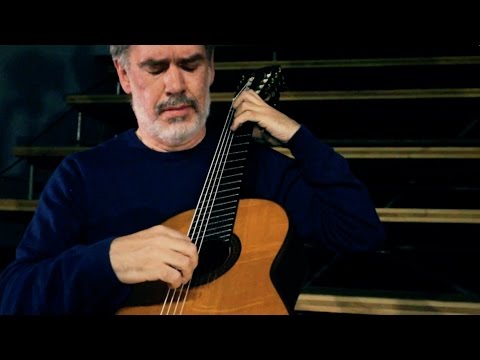
Paul Galbraith | Adagio Sonata K570 - Mozart | Allemande
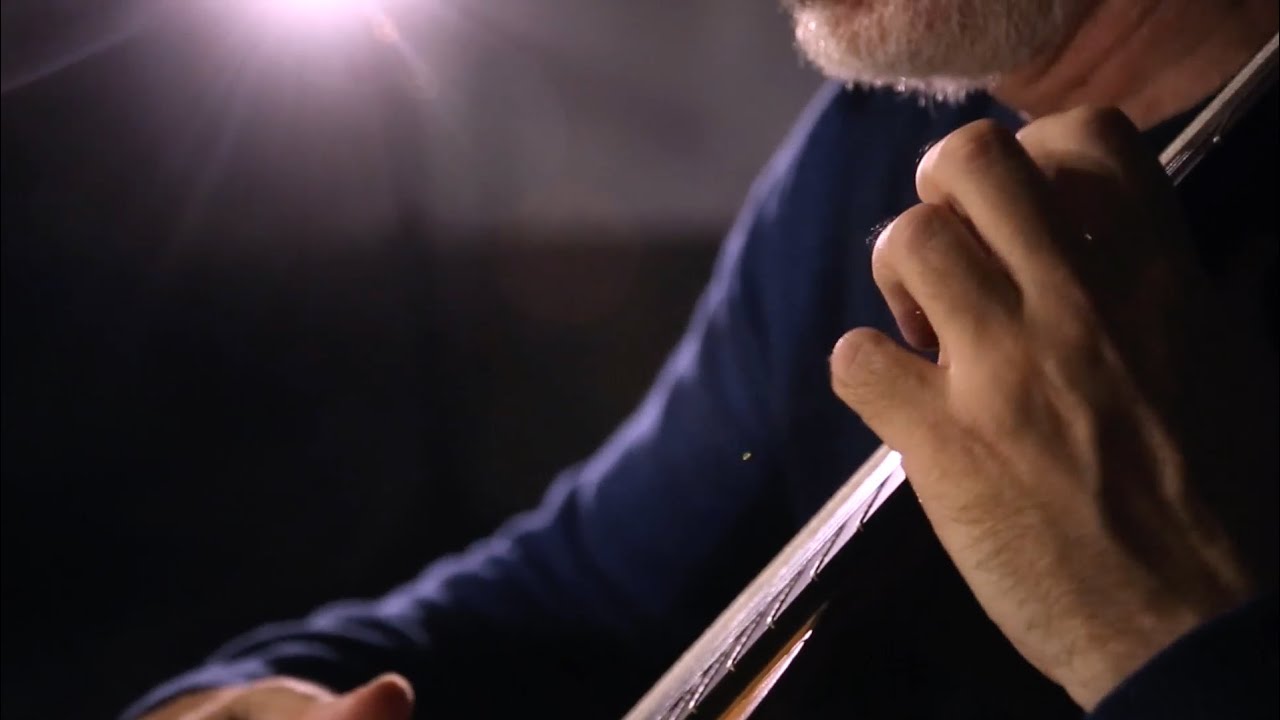
Paul Galbraith – Canción nº 3 "El Noi de la Mare" (Frederico Mompou)
Allemande - Paul Galbraith - Download
R$29,90
Allemande - Paul Galbraith
R$29,90

 Brasil
 Estados Unidos